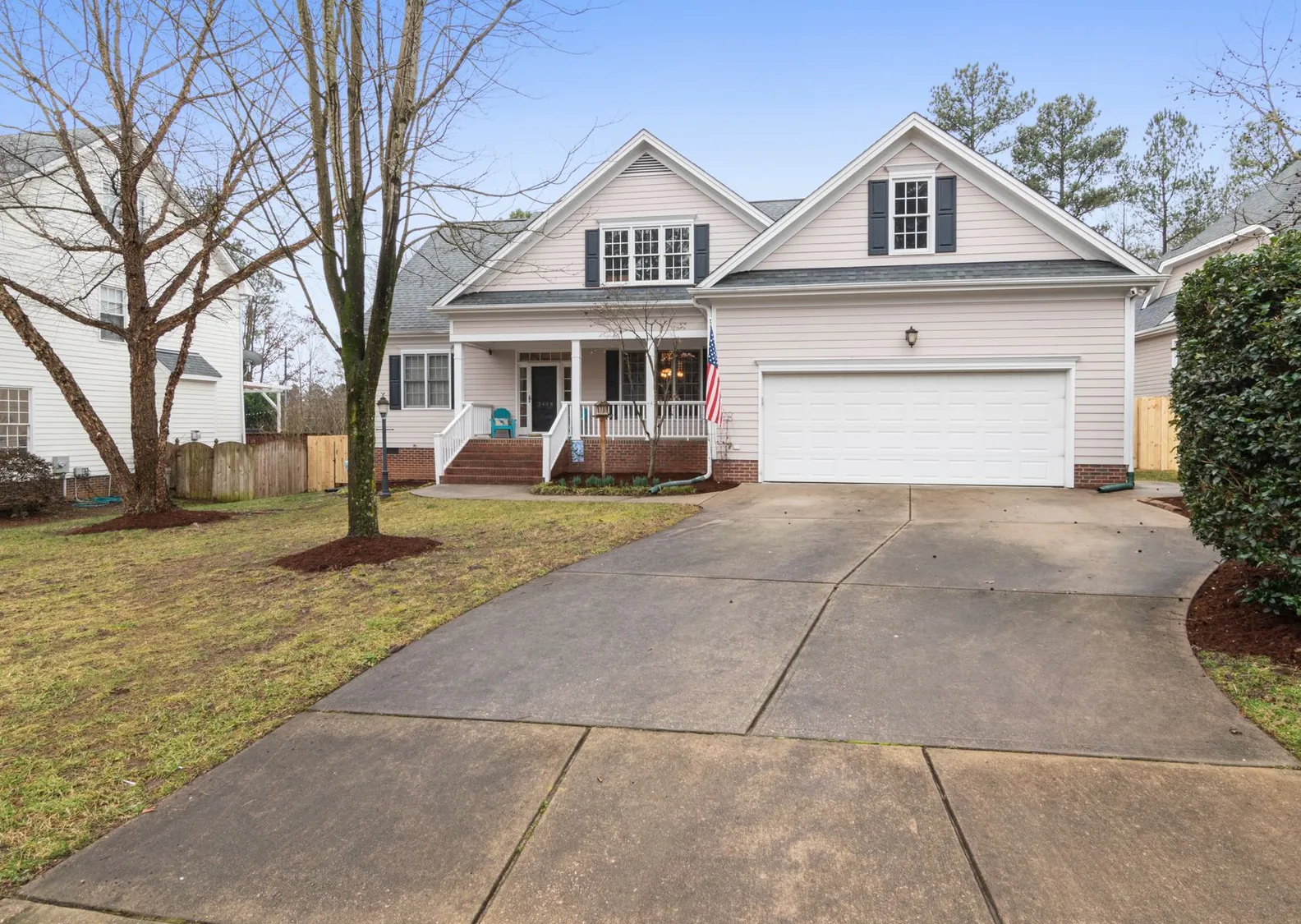
Driveways, walls, walkouts and repair
Concrete Contractor in West Jordan, Utah
Concrete built for the dirt under West Jordan lots, not the builder's schedule. Call for a free estimate.
West Jordan, South Jordan, Riverton, Herriman, Kearns, Taylorsville and 30 more towns
Tell us what needs building or fixing
Put in what you need, roughly how big and what's there now. The contractor rings you back to go over it and set up a look.
- Free estimates
- Base and drainage first
- Planned for HOA rules
- Homes and commercial
A rough idea is enough. The estimate is free.
Most concrete problems start under the slab
Here's the blunt version. Most cracked, sunken or tilted concrete around West Jordan didn't fail because the concrete was bad. It failed because of what was under it, or because water had nowhere to go. On the west side, toward the Oquirrhs, plenty of homes sit in subdivisions where the dirt around the foundation is backfill that kept settling after the builder poured the driveway and walks. Closer to the Jordan River, older lots tend to have slabs that were poured thin, with little or no gravel underneath, back when that's just how it was done.
So that's where we start. Before anything gets formed, we look at the ground, the grade and where the water goes: downspouts, sprinkler overspray, the low corner of the yard. Soft fill gets dug out and replaced with compacted gravel. Slabs get the right thickness for what sits on them, steel up on chairs, air-entrained concrete for the freeze-thaw, and control joints cut on time. None of it's fancy. It's just the stuff that gets skipped when a job is rushed, and it's the difference between concrete that lasts and concrete you're tearing out again in eight years.
The work covers the usual list for a West Jordan property: driveways and RV pads, patios, sidewalks and walkways, retaining walls for sloped yards, walk-out basements, and repairs on concrete that's already there. Lots of those jobs sit inside an HOA, so the paperwork gets planned along with the pour. We serve West Jordan and 35 towns around it, from Salt Lake City down to Provo and over the mountains to Tooele, for homes and commercial properties. Estimates are free, and you'll talk with the contractor who'll actually look at your job.
What we do
What we pour and fix around West Jordan
Six kinds of work, each one built with the soil, the slope and the HOA in mind.
Concrete Driveways
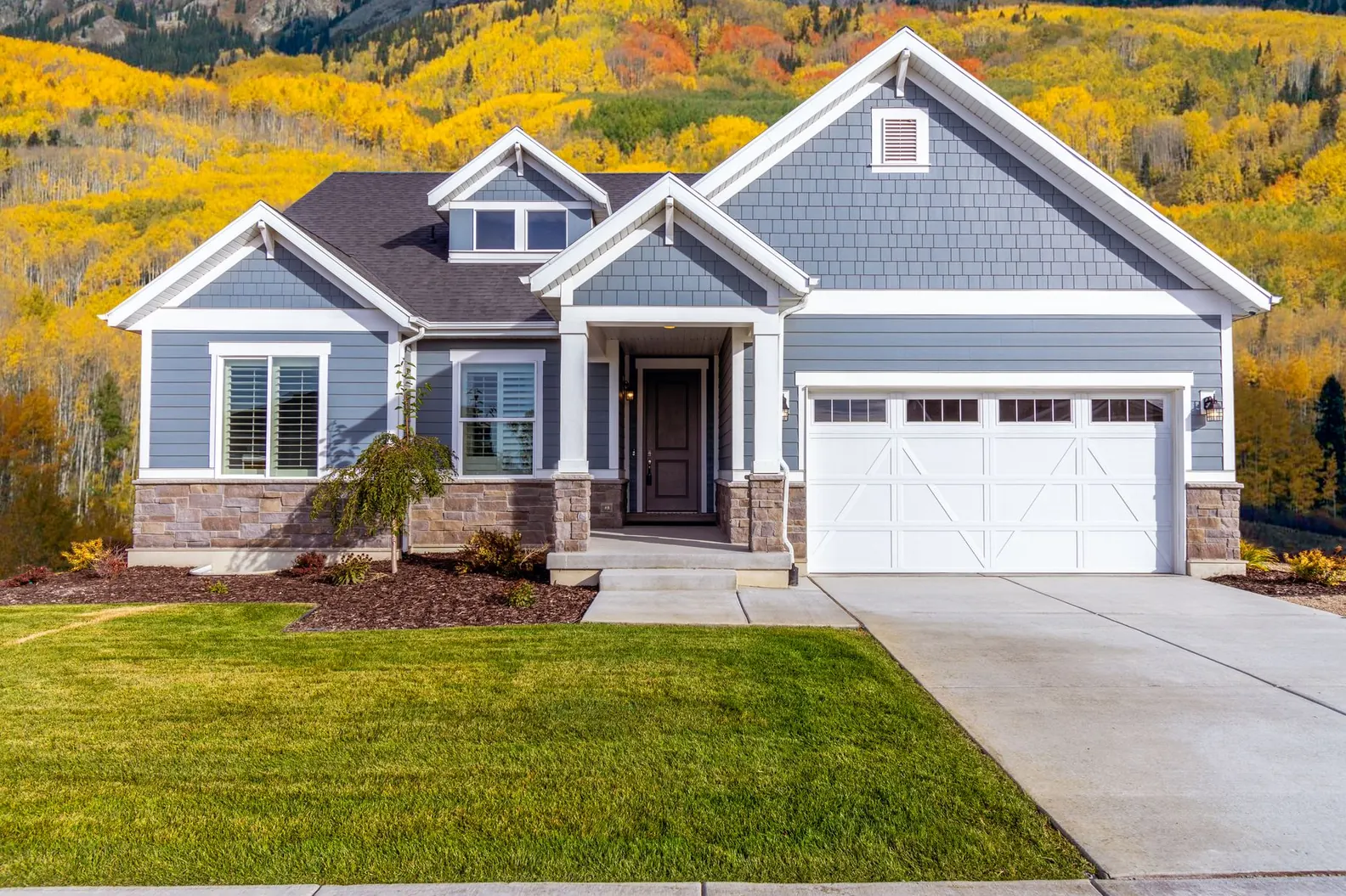
New driveways, tear-out and replace, extensions and RV pads, with the base the builder skipped.
More on concrete driveways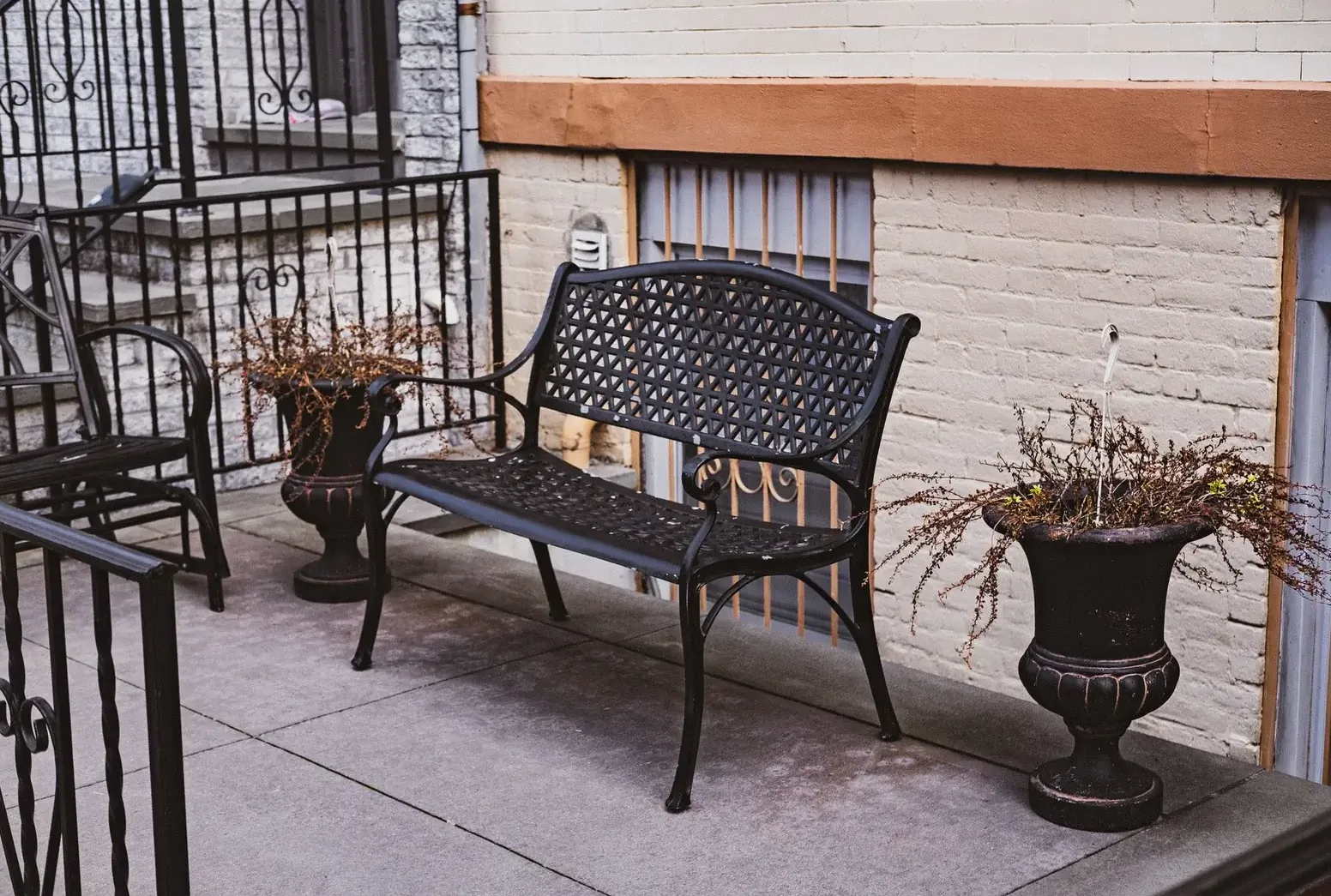
Concrete Patios
New patios, stamped finishes and extensions to that little slab off the back door.
More on concrete patios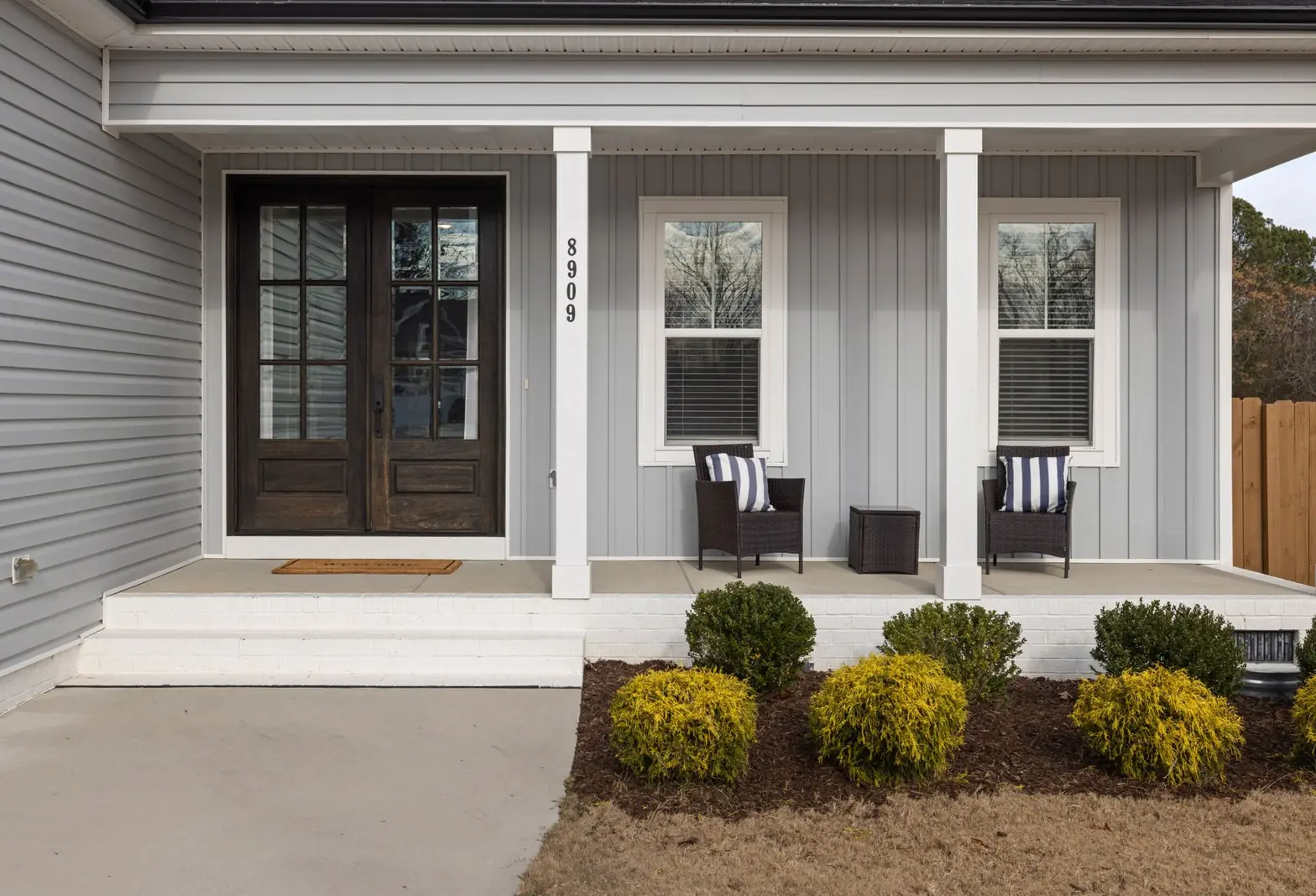
Sidewalks & Walkways
Front walks, side-yard paths and trip-hazard panels torn out and poured back level.
More on sidewalks & walkways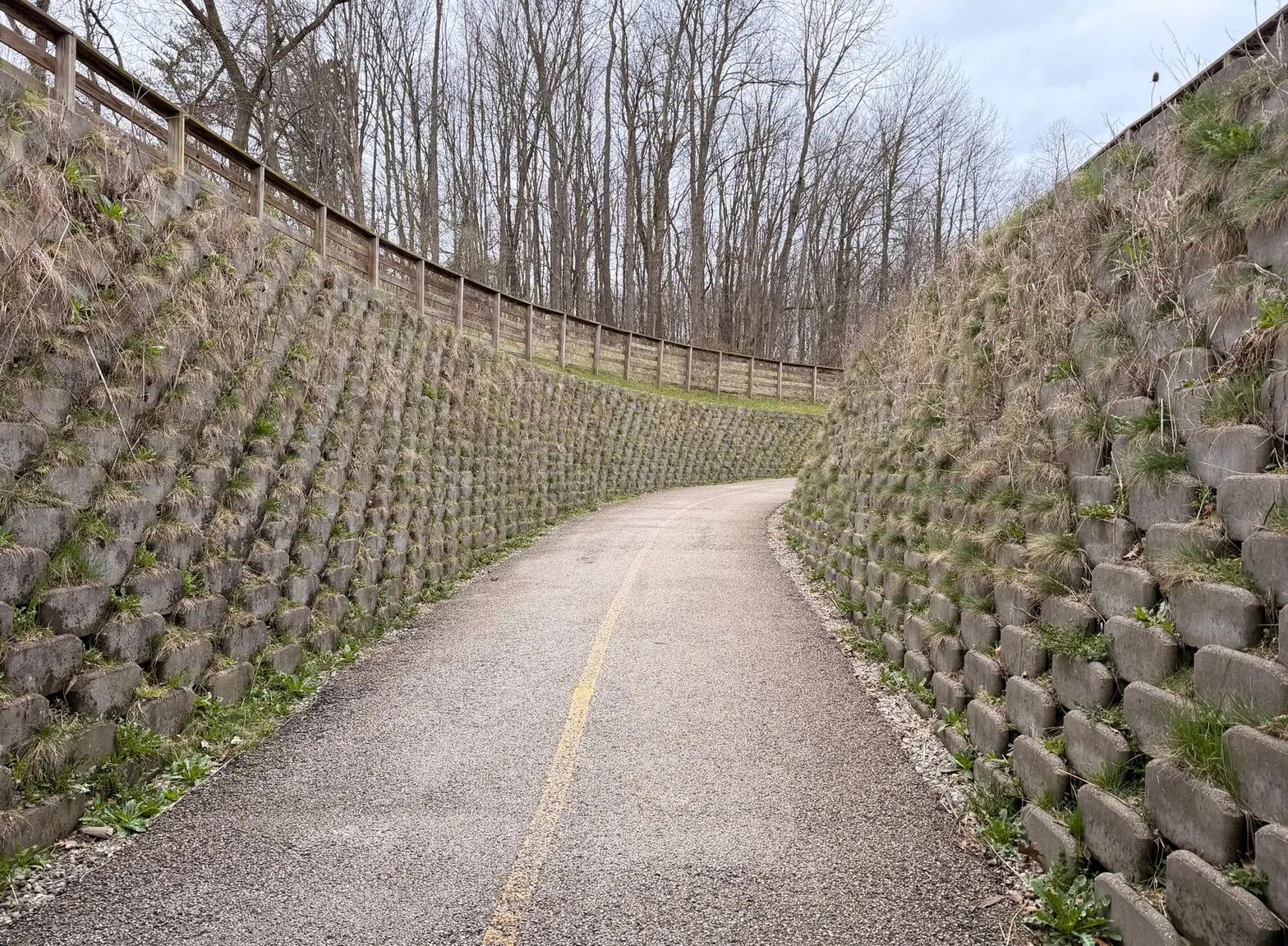
Retaining Walls
Block and poured concrete walls that hold sloped yards, with drainage behind them so they stay standing.
More on retaining walls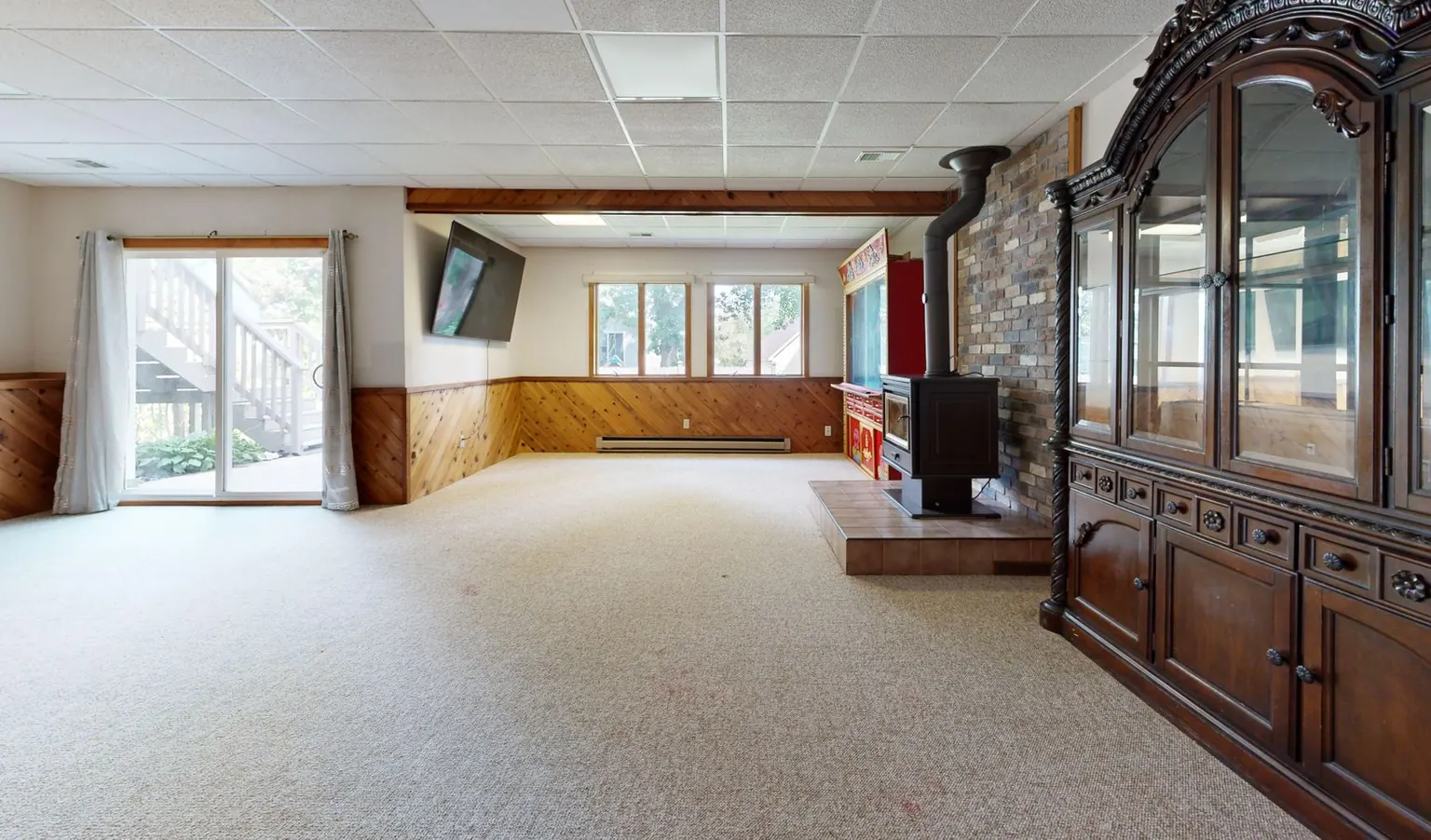
Walk-Out Basements
A new opening in the foundation, the dig-out, stairwell, retaining walls and drainage that make a basement walkout.
More on walk-out basements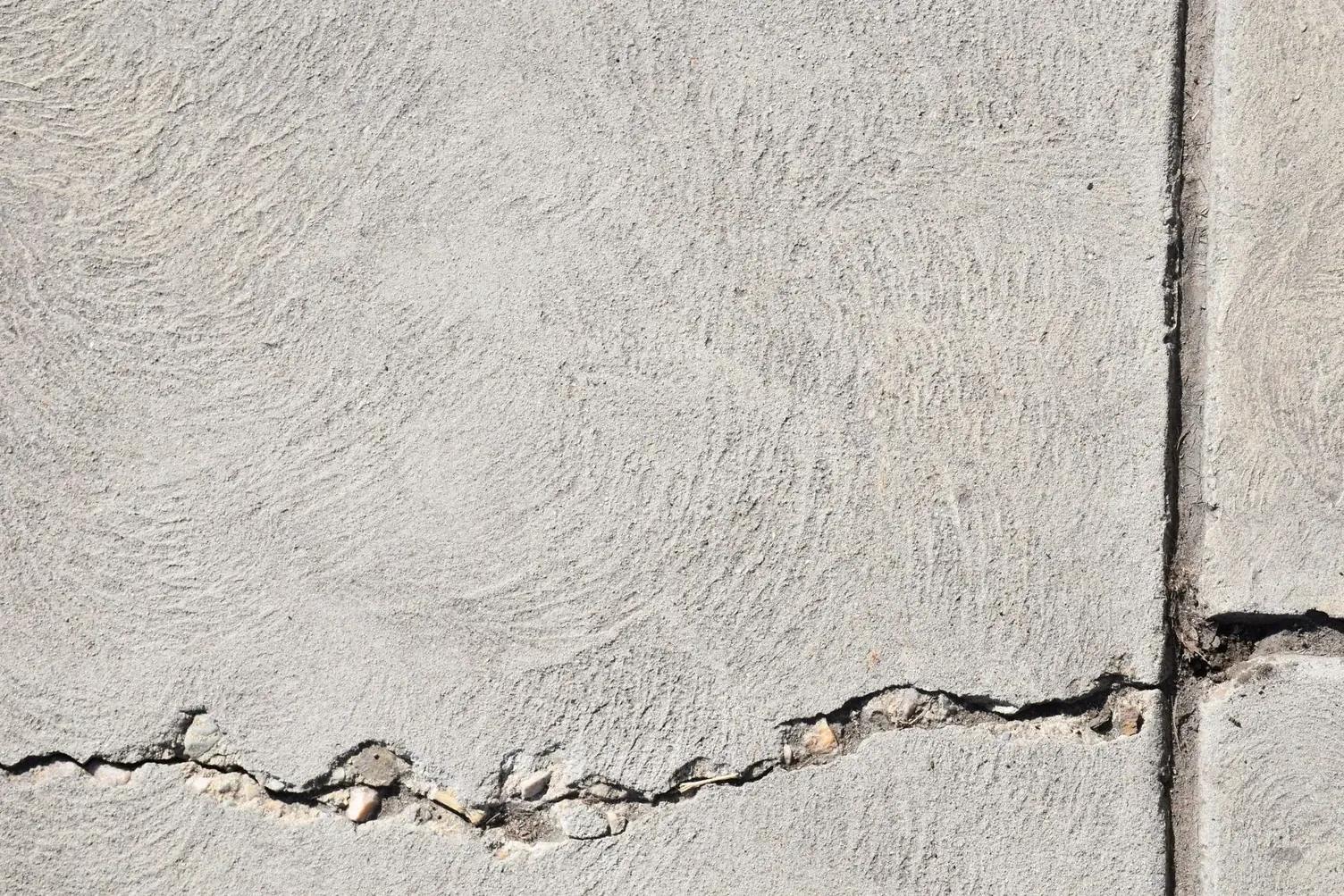
Concrete Repair
Sunken slabs lifted, broken panels replaced, flaking surfaces resurfaced and sealed.
More on concrete repair
Examples
Concrete work examples: drives, walls, walkouts
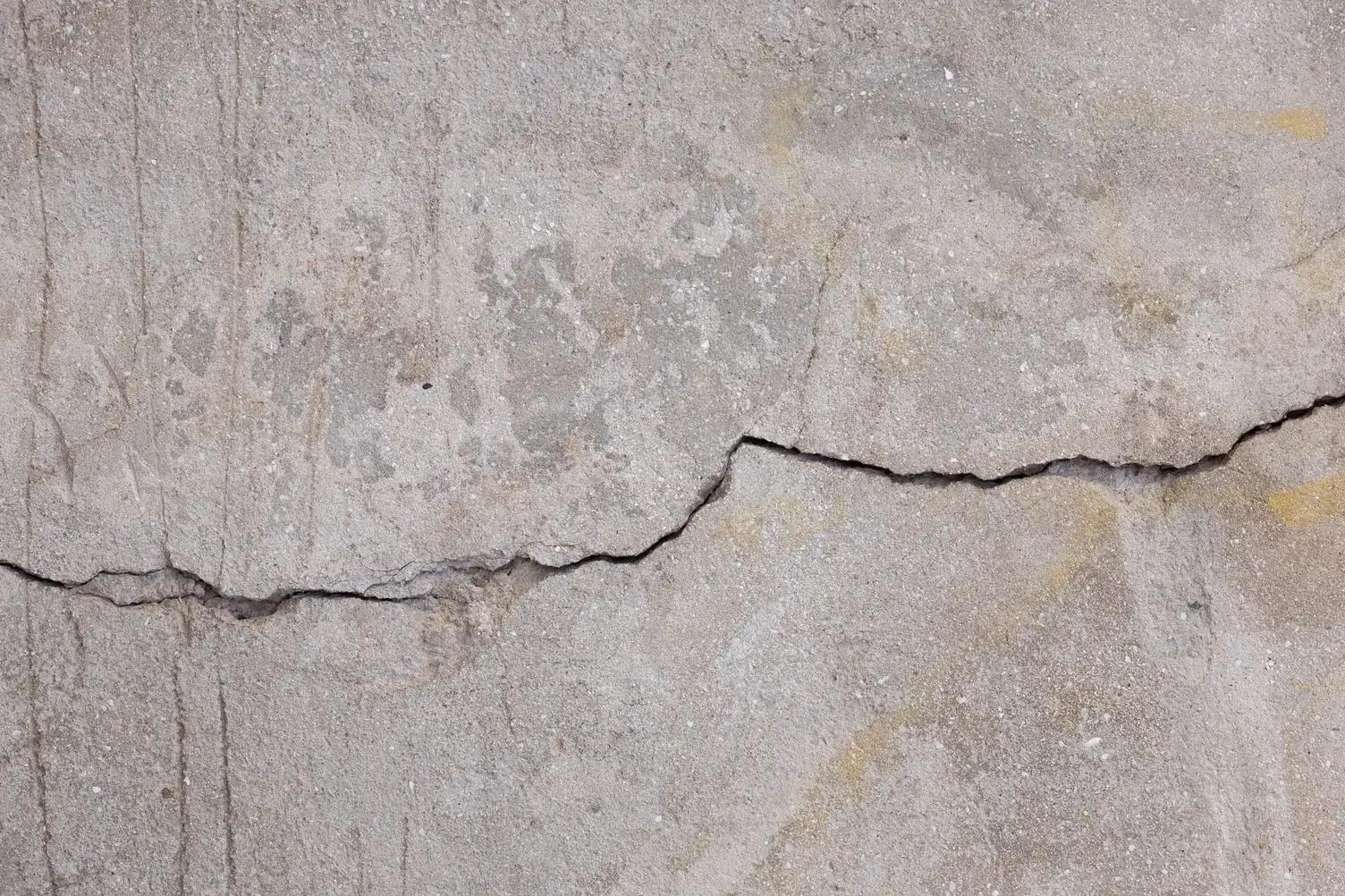
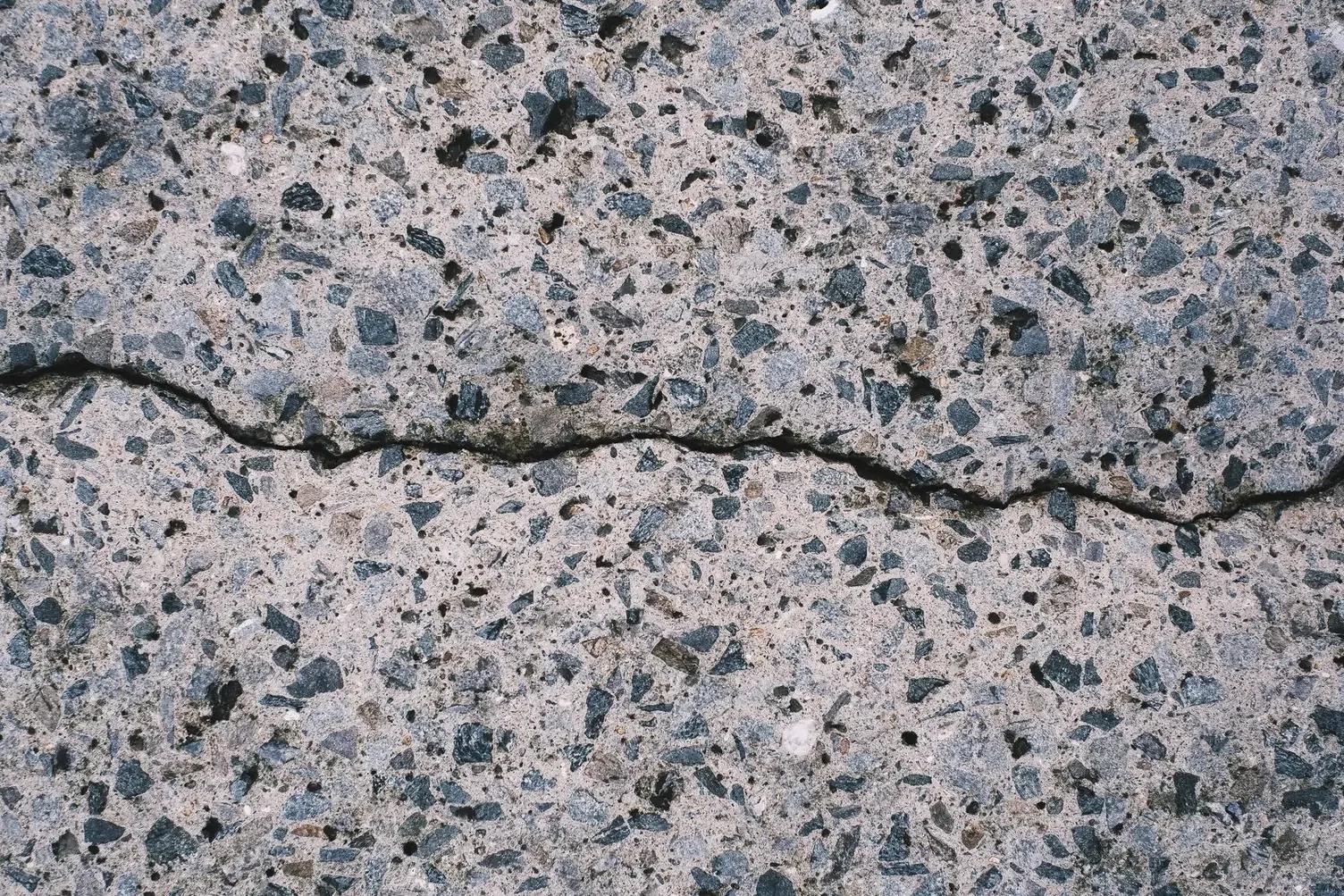
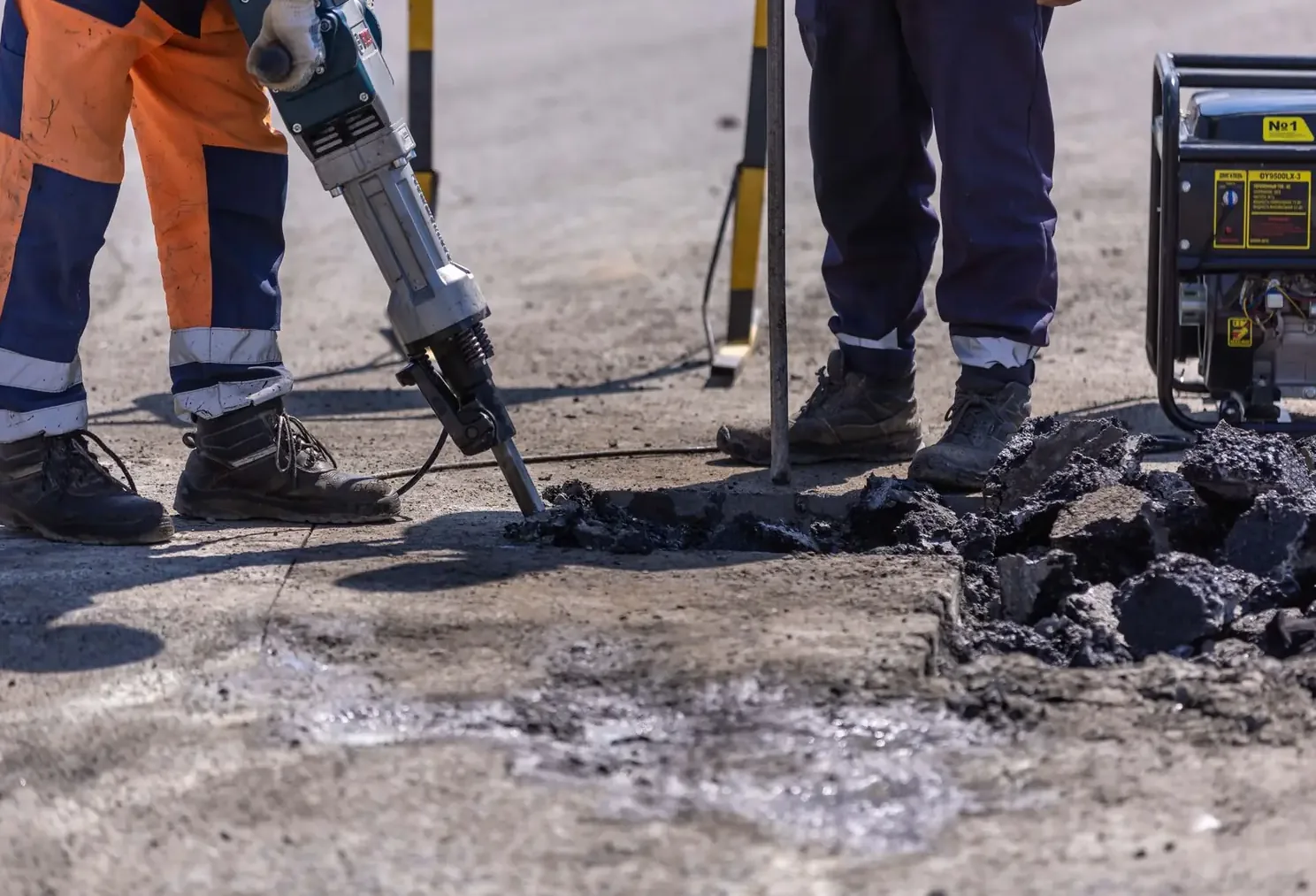
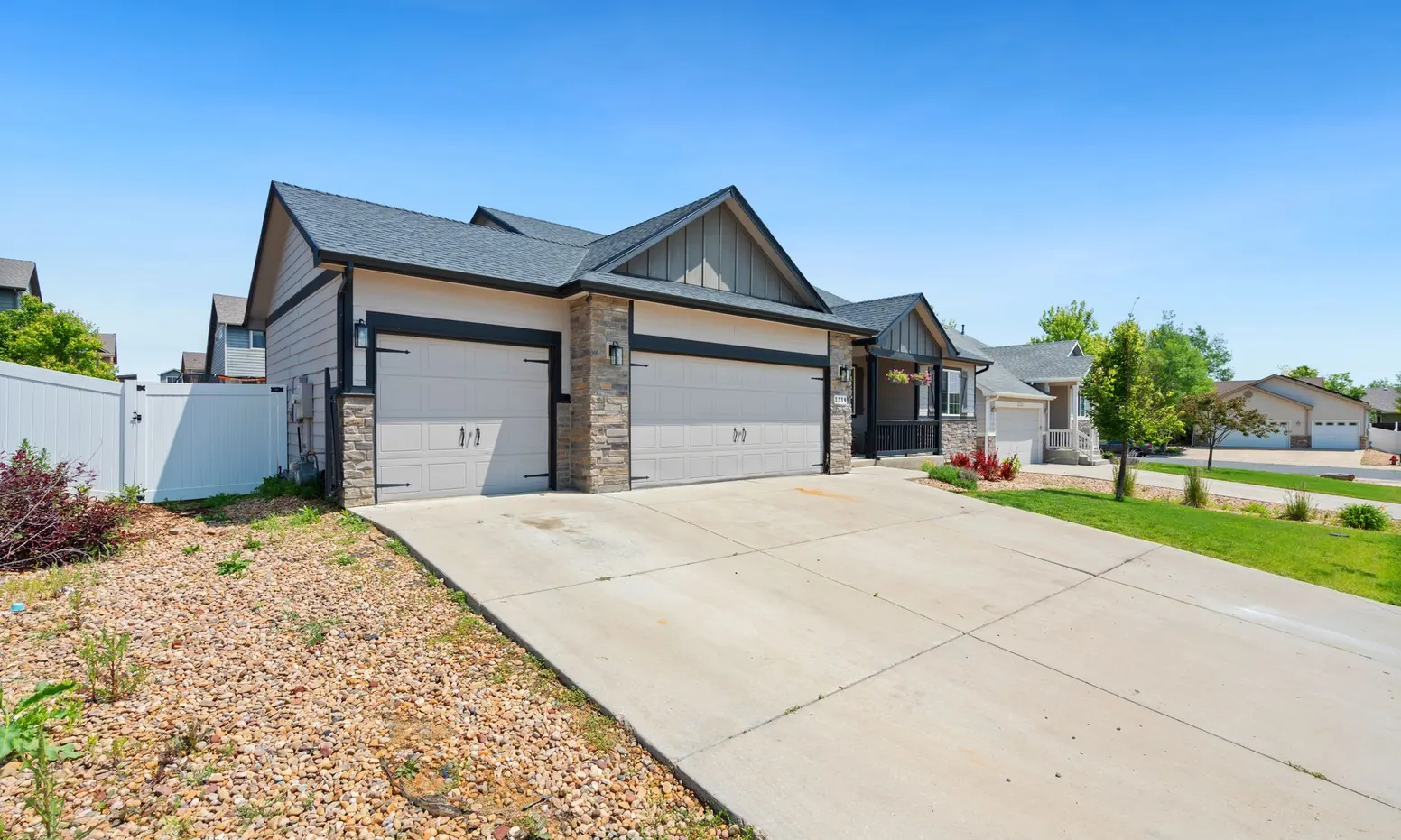
Stock photos: examples of the work type.
How it works
How a job goes, start to finish
- 1
You call or send the form
Tell us what you need and roughly how big. Photos of the problem area save a lot of back and forth.
- 2
We look at the ground
The contractor rings you back, then comes out to measure, check grades and drainage, and see what's under the old concrete if there is any.
- 3
Paperwork, then dirt
Permits and HOA sign-off come first and 811 gets called. Then it's excavation, base and forms.
- 4
Pour, cut, cure
Concrete goes in, joints get cut on time, and you keep traffic off until it's ready for it.
Good to know
What usually goes wrong, and how to avoid it
Builder-grade means minimum
In a lot of tract homes the original flatwork went in fast: thin slabs, little or no gravel under them, joints spaced too far apart. If yours cracks in the same spots every year, replacing it with the same shortcuts just buys you the same cracks.
Fill dirt settles for years
The strip along your foundation was dug out and backfilled when the house went in. That soil keeps settling, so the first few feet of driveway or patio next to the house sink first. Dig it out and replace it with compacted gravel instead of pouring right over it.
Point the downspouts somewhere else
A downspout dumping onto the edge of a slab is one of the most common reasons for a sunken corner. Extend it or run it under the walk to daylight. It's the smallest fix on the property with the biggest payoff.
No salt the first winter
New concrete is still gaining strength through its first months. De-icing salt that soaks in and freezes will flake the surface. Use sand for traction that first winter, and seal the slab once it's cured.
Service area
West Jordan and the 35 towns around it
We cover West Jordan and the towns in every direction from it: Salt Lake City to the north, Herriman and Lehi to the south, Provo down the freeway, and Tooele over the Oquirrhs.
Salt Lake County
Utah County
Tooele County
Questions
Straight answers to common questions
What does a Utah winter do to concrete?
Water gets into the surface, freezes and expands, over and over, dozens of nights every winter. Add de-icing salt and the top layer starts flaking off. Air-entrained concrete, good slope, a gravel base and a penetrating sealer stop most of that. Footings for walls and walkouts get dug to roughly two and a half feet or deeper, past where the ground freezes, so they don't heave.
Do I need a permit or HOA approval?
Often one or the other, sometimes both. A new or widened driveway approach at the street needs a city permit, and walkouts and taller retaining walls usually involve the building department. Lots of newer subdivisions on the west side have HOAs that want to see plans, colors or materials before you start. Whatever the paperwork, 811 gets called before anybody digs.
How much does concrete work cost?
It depends on the job, but the same few things drive every estimate: size and thickness, how much old concrete comes out, how much dirt work and gravel it takes to reach solid ground, whether the truck can back up to the forms or needs a pump, and the finish. Walkouts and retaining walls add engineering, permits and a lot of excavation. The estimate's free, and it spells out where the money goes.
What towns do you cover besides West Jordan?
There are 35 of them, including South Jordan, Riverton, Herriman, Kearns, Taylorsville, West Valley City, Murray, Sandy, Draper, Bluffdale, Lehi, Saratoga Springs, Eagle Mountain, Salt Lake City, Tooele and Provo. The service areas page has the whole list.
How long does a driveway or patio take?
Usually two to four working days on site: tear-out and prep, forms and steel, then the pour. After that it has to cure, with foot traffic in a day or two and cars in about a week. Flatwork runs mostly spring through fall, while walkouts, footings and foundation walls keep going through winter with blankets and protected ground.
Can you fix builder-grade concrete, or does it all have to go?
Depends on what failed. A few sunken panels can often be lifted, or cut out and replaced. A driveway that's cracked across most panels, scaling everywhere or pitched toward the garage is usually better off replaced, base and all. You'll get a straight answer on which one you've got.
Why is my newer driveway already cracked?
Usually one of three things: joints spaced too far apart or cut too late, a thin slab over settling fill, or water running under it from a downspout or sprinkler. Hairline shrinkage cracks are normal and mostly cosmetic. Cracks that keep opening, or have one side higher than the other, mean something underneath moved.
Get it done once
Tell us what you need, and the contractor will get in touch to set up a free estimate.